
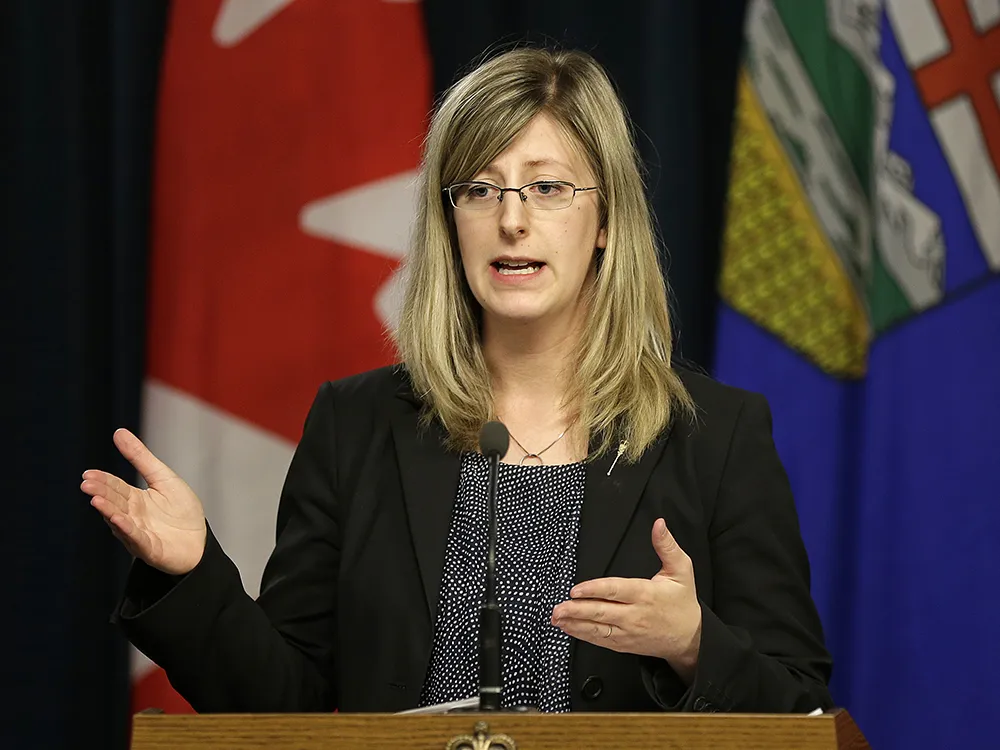
Hello,
As we settle into 2026, I want to wish you a new year filled with good health, joyful moments and renewed energy. This first newsletter of the year will help you start off on the right foot.
With tax season just around the corner, we’ve included some resources to help you prepare with confidence. And, as February is Heart Month, you will also find advice on cardiovascular health and prevention. Finally, as Valentine’s Day approaches, it is both a time to celebrate love and strengthen our connections and a reminder to stay vigilant—this edition includes tips to help recognize and avoid scams that target older adults during this season.
If you know someone who might find this newsletter helpful, feel free to share it with them. You can also subscribe to receive future editions!
Thank you,
Stephanie McLean
Secretary of State (Seniors)
Tax-filing season is here: Helpful tips for Canadians 65 years and older
Tax season can feel overwhelming, especially if your life has changed over the past year. Maybe you’ve started receiving a pension, lost a partner or decided to keep working longer than expected. These changes can affect your taxes.
If you’re 65 or older, you may be eligible to receive payments like the Guaranteed Income Supplement, and other federal and provincial benefits. Filing your tax return on time each year ensures these payments are calculated correctly and delivered without interruption.
You may also be able to reduce the amount of tax you owe by claiming eligible expenses, splitting your pension income, or taking advantage of other credits and deductions.
If you have been doing your taxes on paper, consider filing online this year using certified tax software. Free tax clinics are also available across Canada for seniors with modest incomes and simple tax situations.
Help is available if you need it. If you’ve forgotten your Canada Revenue Agency (CRA) account password, you can now regain access without calling. The CRA also offers a free online webinar for adults over 65: Learn about tax benefits and credits through webinars and recordings.
With the right tools and support, filing your taxes can be simpler than you think. Our web page on taxes when you retire or turn 65 years old is a great place to start!
New ways to get a paper income tax package and tax slips
This tax season, there are important changes to how you get your tax information. If you are a paper filer, you will no longer automatically receive a 2025 income tax package in the mail.
Self-serve options are available for you to get what you need, if you choose to file on paper:
- Order, view, download and print the package online at Forms and publications – CRA.
- Call the CRA’s automated phone line at 1-855-330-3305 (non-residents can call 1-613-940-8495). If you choose to call, your Social Insurance Number (SIN) will be required.
You can also get any documents or forms not included in the package, including federal, provincial and territorial schedules, by using the methods listed above.
There are also changes to how you get a copy of your tax slips, such as T4s or T5s. You can no longer call the CRA to request a printed copy of your tax slips. To get a copy, your first step should always be to contact the slip issuer directly, such as your pension provider or financial institution. The next step is checking your CRA account, where you can view, download and print slips at your convenience.
If you are new to online services, help is available. Check out the CRA’s website for webinars, information about free tax clinics and a chatbot that provides instant support. These resources are here to help you find answers quickly and access what you need to file your taxes, when you need it.
Did you know that SimpleFile has a digital option?
SimpleFile services are simplified tax filing methods offered by the CRA to eligible individuals with a lower income and a simple tax situation.
SimpleFile Digital is:
- completely free
- fast—file your taxes in just a few clicks
- secure—SimpleFile Digital is a dedicated web form
- available to eligible people, even without an invite
SimpleFile services will open on March 9, 2026. Check your CRA account or your mail in early March to see if you’re invited. Note that you may receive your SimpleFile invitation package in your CRA account, even if you’ve received it by mail in the past.
Lost your invitation or didn’t receive one? You still may be able to do your taxes with SimpleFile Digital, even without an invitation. Check out SimpleFile in early March to learn more.
Put your heart health first this Heart Month
February is Heart Month in Canada, a time to raise awareness about heart diseases and conditions and highlight the importance of prevention.
Heart disease is the second leading cause of death in Canada, responsible for more than 55,000 deaths each year.
The risk of developing heart disease increases with age. Other risk factors include diabetes, smoking, high cholesterol, high blood pressure, lack of physical activity, not eating enough vegetables and fruits, obesity, sleep apnea, and family history. The more risk factors present, the greater the chance of developing a heart condition.
The good news is that there are many different ways to make healthy lifestyle changes. You can reduce your risk by:
- being physically active
- eating a variety of healthy foods
- maintaining a healthy weight
- avoiding smoking
- limiting alcohol use
If you have already experienced a heart attack or stroke, these changes can also reduce the risk of having another.
Want to learn more about how to protect your heart? Explore the Government of Canada’s page on prevention of heart diseases and conditions.
This Heart Month, and all year long, let’s take action together—because prevention and awareness are powerful tools to live longer, healthier lives.
Valentine’s Day: Staying safe from relationship and romance fraud
With Valentine’s Day approaching, many Canadians are connecting online to share companionship and friendship. The Canadian Anti-Fraud Centre (CAFC) reminds Canadians, especially older adults, that relationship and romance fraud continue to affect people across the country. These types of fraud have evolved and may now include investment-related schemes, such as cryptocurrency or online trading opportunities.
Fraudsters often take time to build trust and emotional connection. They may communicate frequently, share personal stories, and offer reassurance or displays of affection. Over time, the conversation can shift to money. Victims may be asked to send funds, purchase gift cards, or invest in opportunities described as low risk or guaranteed. In some cases, the fraud involves both an emotional relationship and a financial commitment.
The CAFC encourages Canadians to protect themselves by slowing down and asking questions. Be cautious if someone you have never met in person asks for money or financial help, or offers investment advice. Avoid pressure to act quickly or keep conversations a secret. Taking time to talk with a trusted friend or family member can help you make informed decisions.
It is important to speak up if you or someone you know has been targeted, even if no money was lost. By reporting cybercrime and fraud, you help the Canadian Anti-Fraud Centre identify trends, warn others and support fraud prevention and law enforcement efforts.
Learn more by visiting the CAFC’s Relationship and romance fraud page.
Start your retirement planning today!
To support Canadians who are either retired or starting to plan for retirement, the Government of Canada recently updated the Retirement Hub—originally launched in 2023—by adding new resources and making it easier to use.
The Retirement Hub focuses on federal programs such as the Canada Pension Plan, Old Age Security and Guaranteed Income Supplement benefits, and it also provides tools that help Canadians plan for their specific retirement situation, including the Canadian Retirement Income Calculator and the Old Age Security Benefits Estimator.
The Retirement Hub includes a retirement ready quiz that generates a personalized checklist for users based on their answers to a few simple questions. The checklist outlines steps Canadians can follow to plan for their retirement with confidence.
And now the Retirement Hub has a new look to match other Government of Canada digital tools, such as the Welcoming a Child Hub and the What to do when someone dies Hub, which focus on other important life events.
Tools like these can help improve the retirement planning experience for all seniors and near seniors, especially those living with a limited income or in underserved communities.
Visit the Retirement Hub today and start planning for your future.
Did you receive a letter from the Connecting Families Initiative? Here’s what to do next.
In November, letters from the Connecting Families Initiative were sent out to eligible seniors, allowing them to access low-cost home internet service plans. If you received a letter indicating your eligibility, use the access code, your full name and address listed on your letter to sign up on the online portal.
Need help registering?
If you need help registering or have lost your letter or code, call Innovation, Science and Economic Development Canada at 1-800-328-6189 or 1-866-694-6189 (TTY).
Didn’t receive a letter?
Make sure you meet the eligibility requirements.
- As a Canadian senior, you may be eligible if you receive 80% or more of the Guaranteed Income Supplement.
To get more information, including a list of participating internet service providers and available low-cost plans, or to view frequently asked questions, visit the Connecting Families Initiative website.
Statistics Canada is hiring for the 2026 Census!
Are you, or someone you know, looking for a job that offers flexible, short-term employment and the chance to contribute to data collection activities? The 2026 Census is hiring, and it’s your chance to contribute to an important national initiative. Census information is used to plan programs and services that support employment, education, public transportation and health care. Learn more and apply today at census.gc.ca/jobs.